Perennials vs. Annuals: What’s the Difference and Which Should You Grow?
It all begins with an idea.
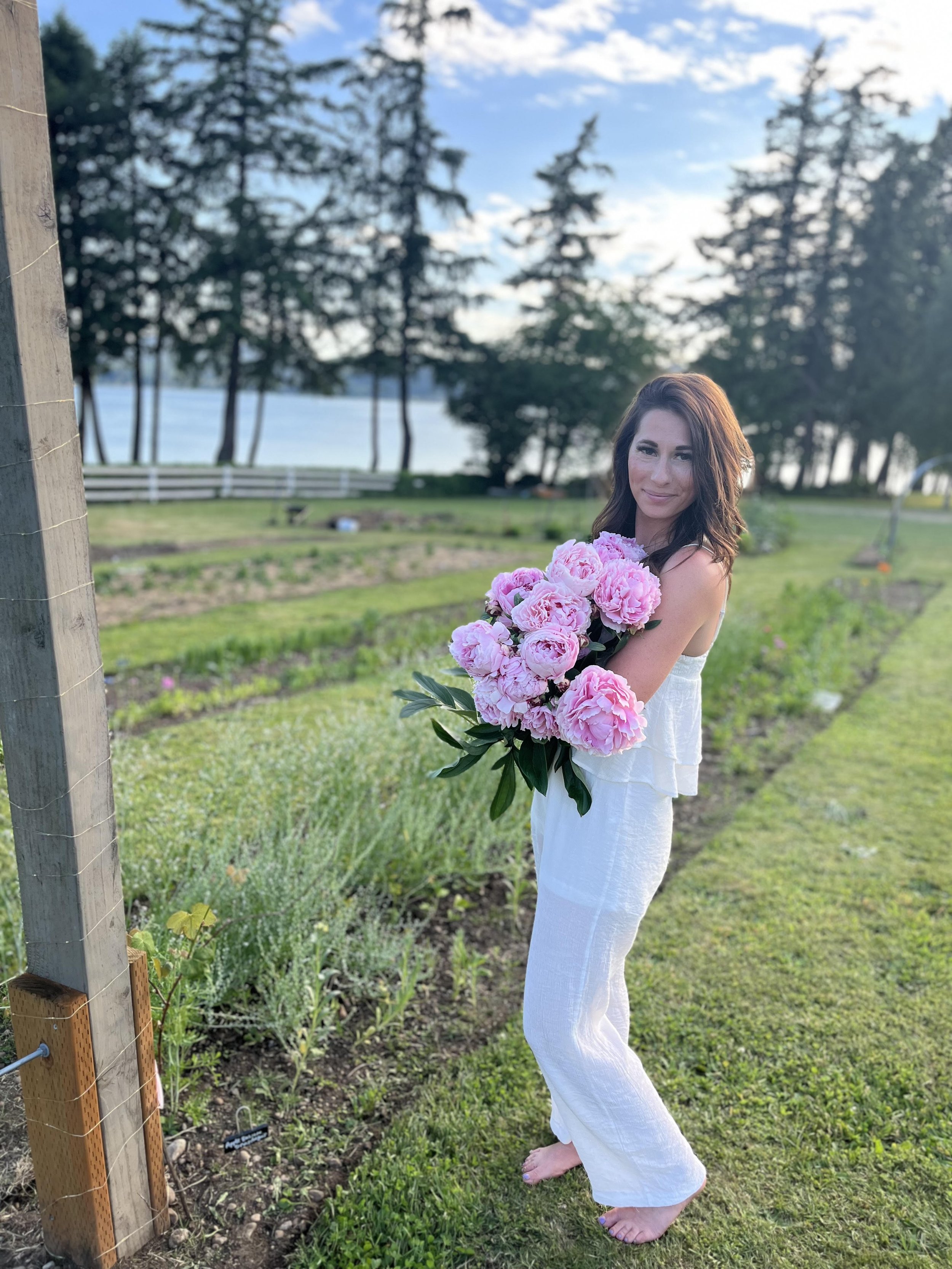
If you’re new to gardening or flower farming, you’ve probably heard people mention “perennials” and “annuals.” But what does that actually mean?Let’s break it down in simple, real-world garden terms.
What Are Annuals?
Annuals are plants that live for one season, bloom their hearts out, and then die.
Examples:
zinnias
sunflowers
cosmos
snapdragons (sometimes short-lived perennials, treated as annuals)
Benefits of annuals:
inexpensive
fast-growing
tons of color
bloom all season
What Are Perennials?
Perennials come back year after year. They take longer to mature, but once established, they’re incredibly rewarding.
Examples:
peonies
yarrow
echinacea
lavender
Benefits of perennials:
long-term investment
lower maintenance
early-season growth
excellent pollinator plants
Cost Comparison
Annuals → less expensive upfront but must be replanted each year.
Perennials → more expensive upfront but save money long-term.
Time & Longevity
Annuals bloom fast and often nonstop.
Perennials take patience but last for years — sometimes decades (hello, peonies!).
Which Should You Grow?
For the best mix:
Use annuals for variety, color, and quick blooms.
Use perennials for structure, reliability, and longevity.
On our farm?
We do a mix of both — 450+ dahlias (technically tender perennials), lavender perennial, peonies, , zinnias galore, plus a growing list of hardy perennials.
If your just starting out, consider a few perennials and focus mostly on your annuals. This will help you begin to establish your garden while being cost consious!
Happy Growing!
Kelsey C.
The Talking Turkey- Farm & Flowers

Companion Plants for Your Vegetable Garden (And Why They Matter!)
It all begins with an idea.
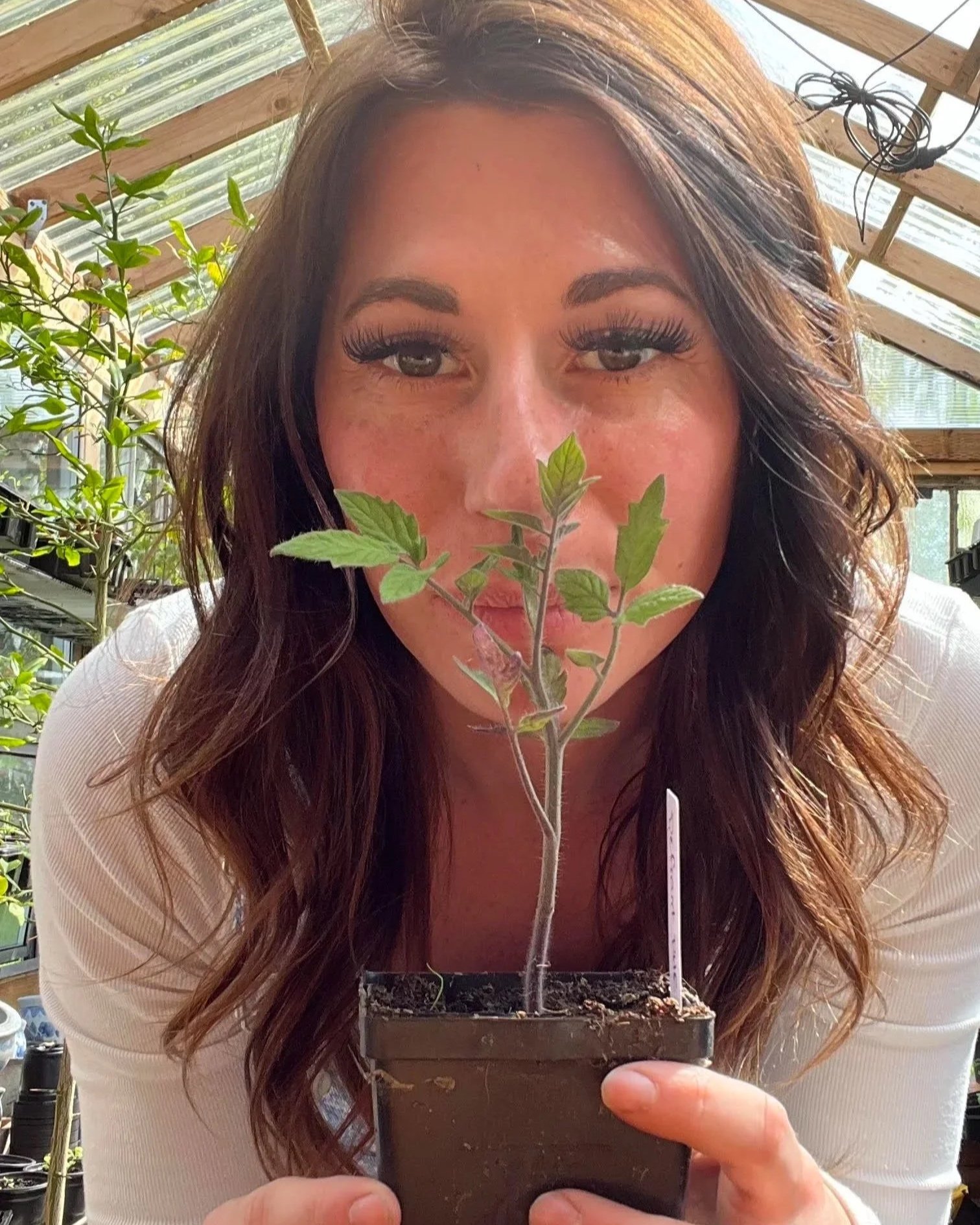
Companion planting is one of the most magical parts of gardening. It’s simple: certain plants grow better together. Others keep pests away. Some improve flavor, yield, or soil.
Here are some favorites we use both at home and at The Talking Turkey.
Why Companion Planting Works
It helps with:
pest control
pollination
soil health
space efficiency
better yields
Best Companion Planting Combos
1. Tomatoes + Basil
Improves flavor & repels pests. A classic.
2. Beans + Corn + Squash (The Three Sisters)
This ancient trio works beautifully:
corn = support
beans = nitrogen
squash = weed suppression
3. Cucumbers + Nasturtiums
Nasturtiums trap aphids and climb around happily with cukes.
4. Lettuce + Tomatoes
Tomatoes provide shade that keeps lettuce from bolting.
5. Carrots + Onions
Onions repel carrot flies. Carrots loosen the soil.
Plants That Shouldn’t Grow Together
Tomatoes + potatoes → disease spread
Cucumbers + aromatic herbs → stunted growth
Beans + onions or garlic → reduced yields
I highly recommend drawing up a layout for your garden before planting, it sure has saved me!
Happy Growing!
Kelsey C.
The Talking Turkey- Farm & Flowers

My Top 7 Cut Flowers & Fillers (And Why I Grow Them Every Year!)
It all begins with an idea.
Here Are My Top 7 Cut Flowers & Fillers - And Why I Grow Them Every Year!
Looking for the best flowers to grow in your Washington cut flower garden? These are my all-time favorites at The Talking Turkey — reliable, productive, and always stunning in bouquets.
1.) Zinnias
Zinnias are super fast-growing, colorful, heat-loving, long-lasting. They come in a wide variety of colors and sizes. My favorite are Benerys Giant- they make a excellent focal flower for your bouquets!
A beginner-friendly must for any cut flower garden.
2. Pro Cut Sunflowers
Pro Cut Sunflowers are uniform, pollenless, quick to bloom at just about 65 days to maturity. They take little (if any) attention, grow in poor soil and need little water. They also come in a wide variety of shapes and colors! These are another excellent focal flower and a great bang for your buck!
3. Snapdragons
Snapdragons are elegant spiked flowers that add height and texture. They give your arrange a bit more WOW! Snapdragons come in so many different colors and each plant is good for 2-3 blooms.
4. Cosmos
Cosmos are so fun, light, airy, whimsical — they add movement and softness to bouquets. On my farm they self-seed, meaning they will come and on their own and even spread! I don’t have to plant more every year, they handle it themselves! You can find them in very unique colors and they add such softness to your arrangements.
5. Gladiolus
Gladiolus are tall, dramatic, and perfect for summer events. They are hardy, come in so many colors, and depending on your zone, you can plant then once and they will come back each year!
6. Dahlias
My signature crop!
With 450+ plants on my farm, dahlias are showstoppers and customer favorites. There are over 50k different dahlias. They are als a winning trifecta. You can sell blooms, tubers, and even seeds! Just remember, the seeds will not be true to the flower, they will end up being a one of a kind cross breed with endless possibilities to enjoy!
7. Bupleurum
Bupleurum can be planted in both Spring and Fall is many places. Its a bright chartreuse foliage, long stems, , excellent texture, and is perfect for adding depth to arrangements.
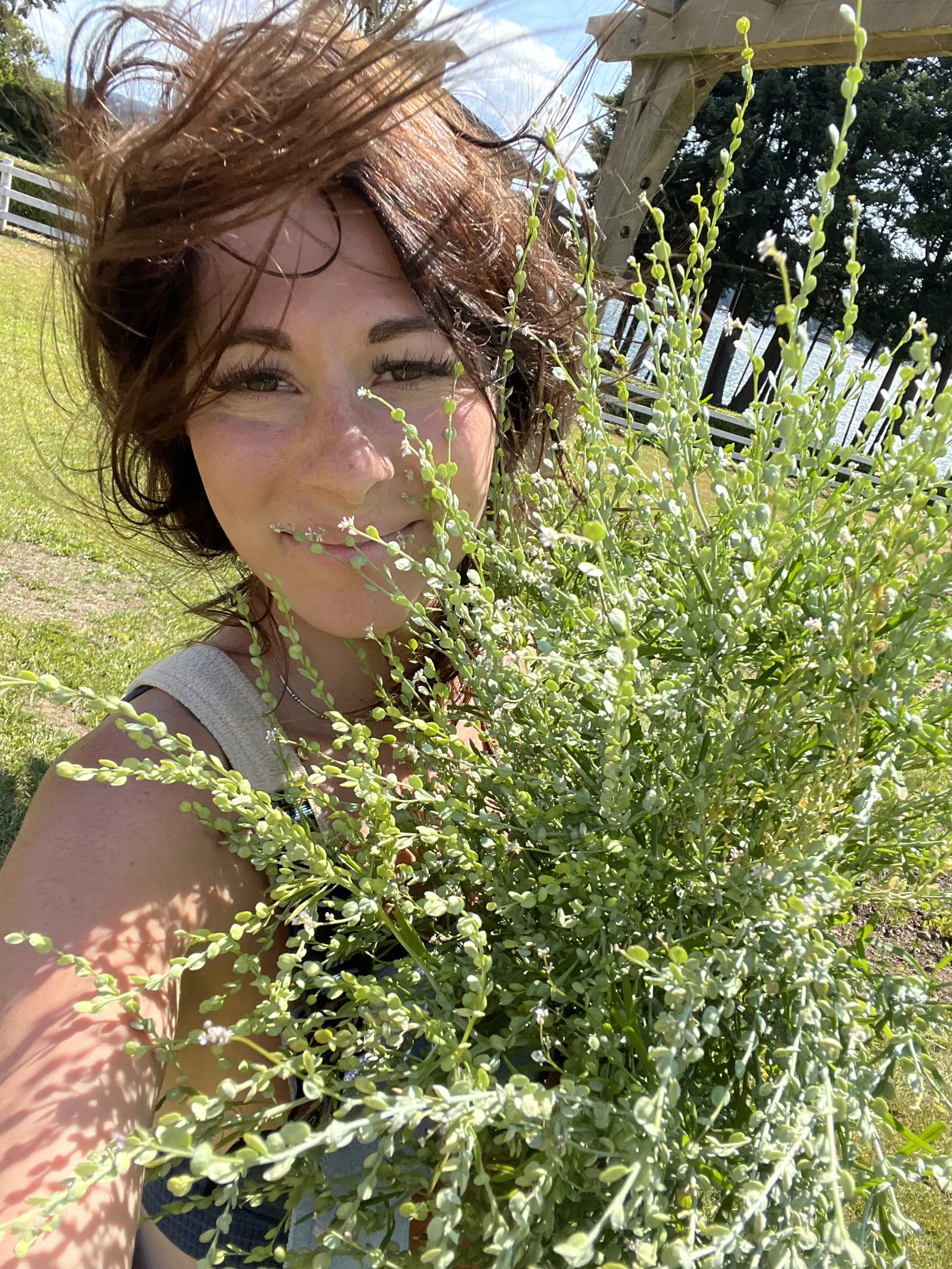
BONUS: Persian Cress
(Pictured Above)
Persian Cress is so so easy to grow. It adds beatutiful height to your bouqets and is a lovely bright green color. The vase life is excellent, but I do recommend supporting it for those EXTRA windy days!

Blog Post Title Four
It all begins with an idea.
It all begins with an idea. Maybe you want to launch a business. Maybe you want to turn a hobby into something more. Or maybe you have a creative project to share with the world. Whatever it is, the way you tell your story online can make all the difference.
Don’t worry about sounding professional. Sound like you. There are over 1.5 billion websites out there, but your story is what’s going to separate this one from the rest. If you read the words back and don’t hear your own voice in your head, that’s a good sign you still have more work to do.
Be clear, be confident and don’t overthink it. The beauty of your story is that it’s going to continue to evolve and your site can evolve with it. Your goal should be to make it feel right for right now. Later will take care of itself. It always does.